Choosing The right Gummy Smile Laser Surgery Dental Clinic in Lebanon can Change your Life By Ferrari Dental Clinic
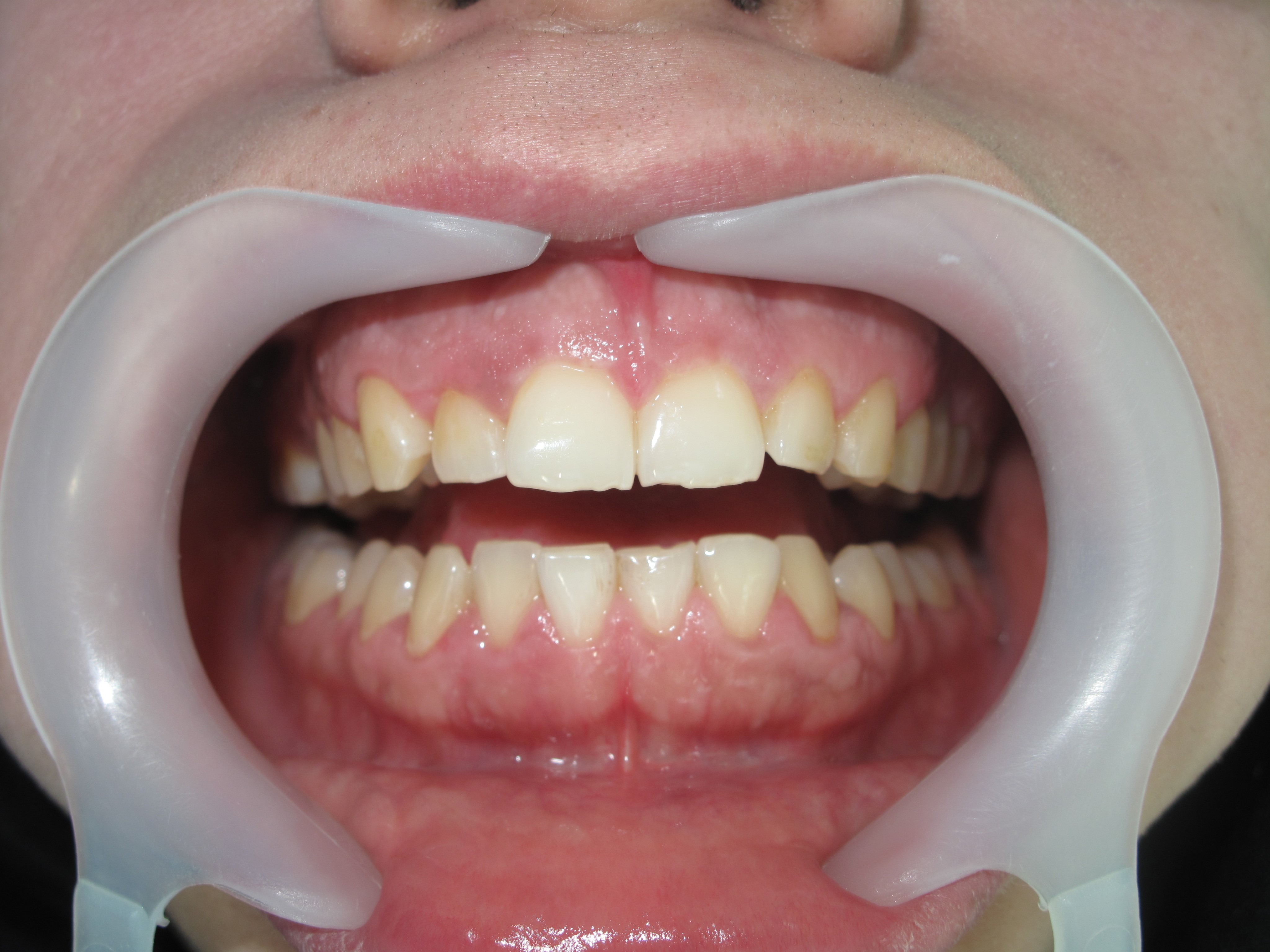
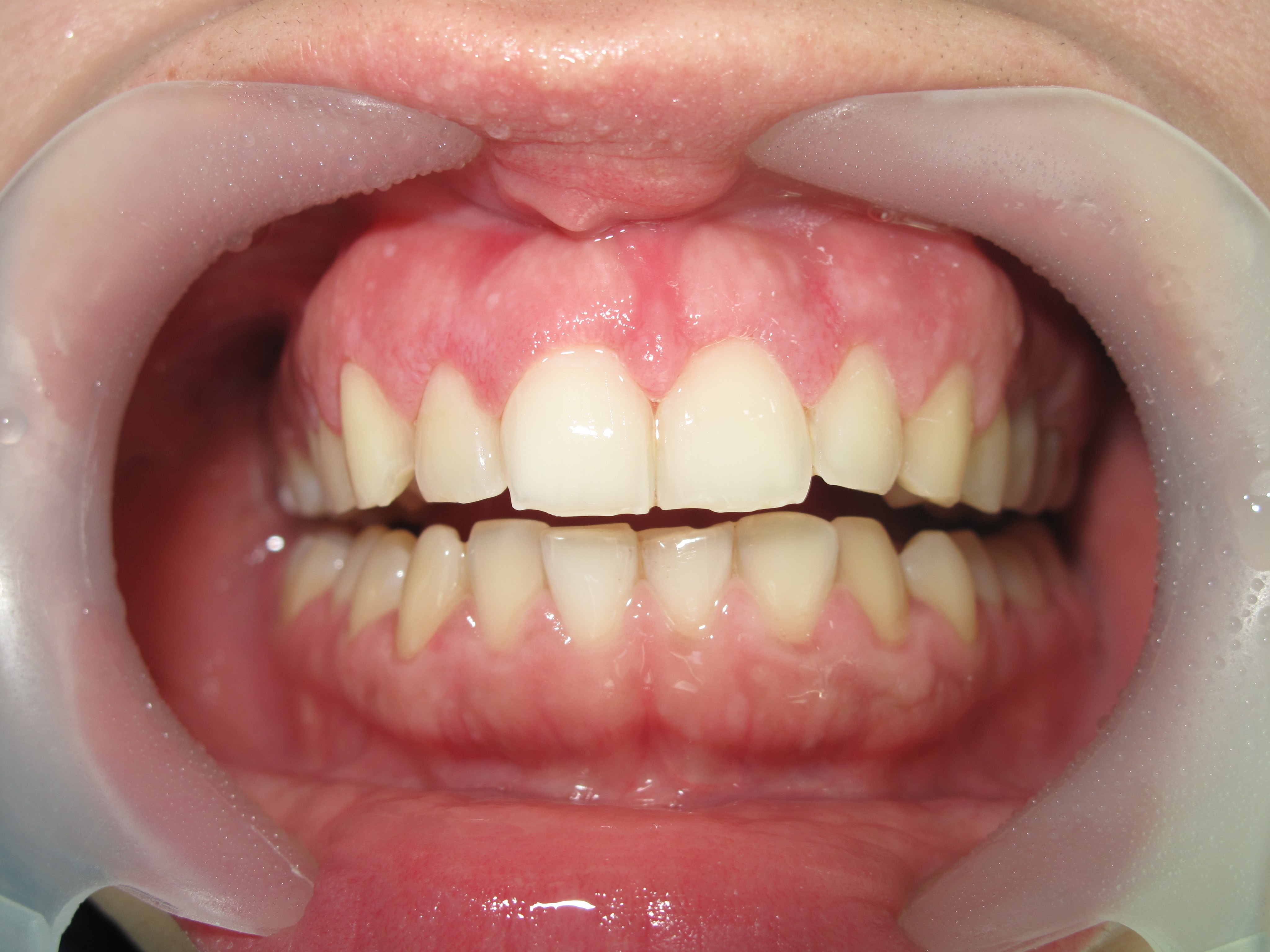
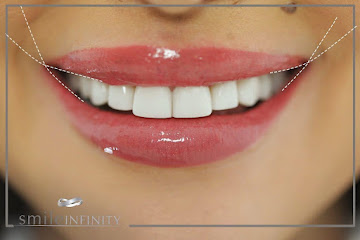
 is simply when patients show excess of gum when they smile.
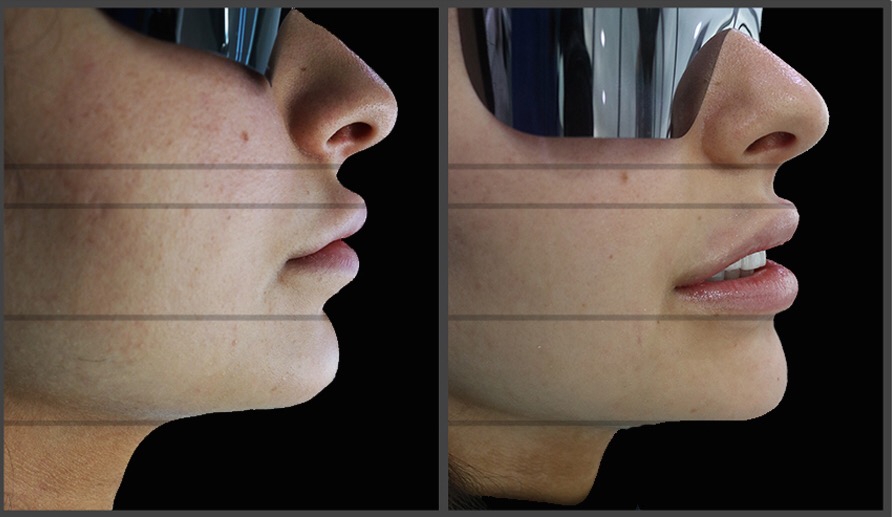
A gummy smile — when excess gum tissue shows above the teeth — can make even healthy, beautiful teeth look smaller and disrupt the harmony of your smile. At Smile Infinity and Ferrari Dental Clinic in Beirut, Dr. Habib Zarifeh corrects gummy smiles using advanced laser techniques that are precise, minimally invasive, and designed around the natural proportions of your face.
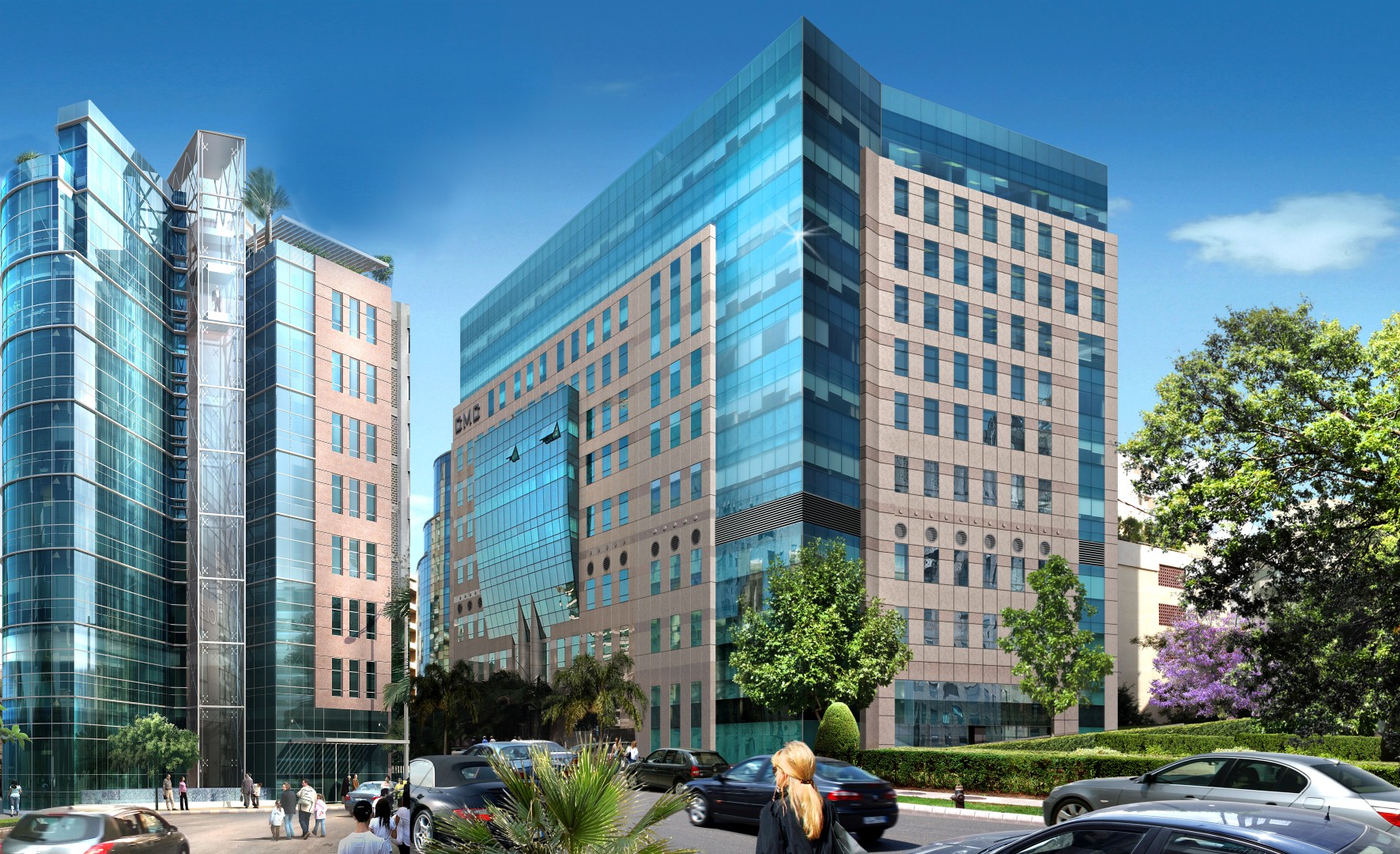
As an international cosmetic dentist and oral surgeon — Head of Oral Surgery at CMC Hospital Beirut (Johns Hopkins affiliated), holder of an MSc in Laser Dentistry from RWTH Aachen, Germany, and founder of Smile Infinity Medical Centers — present in 12 countries across 4 continents, spanning the Middle East, Africa, Europe and North America — Dr. Habib brings world-class expertise to every procedure, from subtle gum contouring to full smile transformations.


The Science of Laser Gum Treatment at Smile Infinity
At Smile Infinity and Ferrari Dental Clinic in Beirut, laser dentistry is not a single machine — it is an orchestra of wavelengths, each chosen for a specific tissue and a specific purpose. Dr. Habib Zarifeh, who holds an MSc in Laser Dentistry from RWTH Aachen University in Germany, built the clinic's protocols around a simple principle of laser physics: every wavelength is absorbed differently by different tissues, and choosing the right one is the difference between a crude burn and surgical artistry.
Two families of lasers, two different jobs
Our clinics operate two distinct categories of dental laser, because no single wavelength can do everything well.
Erbium lasers — the Waterlase MD Turbo and the Fotona LightWalker. These are our hard-and-soft-tissue workhorses. The Waterlase MD Turbo uses an Er,Cr:YSGG crystal emitting at 2,780 nanometres, while the Fotona LightWalker delivers an Er:YAG wavelength at 2,940 nanometres. What makes these wavelengths special is that they sit almost exactly on the peak absorption point of water. Because both tooth enamel and gum tissue contain water, the erbium beam is absorbed in microns — it vaporises the target layer instantly and then stops, before heat can spread into the surrounding tissue. Waterlase amplifies this with a fine spray of atomised water (the hydrokinetic effect), so cutting happens cool rather than hot. This is why erbium lasers can reshape gum, remove bone for a gum graft, and even prepare a tooth — all with minimal thermal damage, less bleeding, and faster healing than a scalpel or a drill.
Diode and Nd:YAG lasers — the soft-tissue and pigment specialists. Alongside the erbium systems, we use diode lasers across four wavelengths — 810 nm, 940 nm, 980 nm, and 1,064 nm — together with the Nd:YAG laser at 1,064 nm, which our Fotona LightWalker provides as its second wavelength in the same dual-system platform. Unlike erbium, these wavelengths pass straight through water with very little absorption. Instead, they are absorbed by two coloured targets in the tissue, called chromophores: haemoglobin (the red pigment in blood) and melanin (the brown pigment that darkens gums and skin).
Why a diode laser "sees" dark gums but ignores pink ones
This is the elegant part — and the reason laser gum depigmentation works the way it does.
A diode laser produces light in the near-infrared range. That light only releases its energy when it strikes a pigment that absorbs its wavelength. Melanin absorbs these diode wavelengths strongly. So when the beam meets a gum that is dark or brown — a gum loaded with excess melanin — the energy is absorbed exactly where the pigment lives, gently vaporising the over-pigmented surface cells and revealing the healthy pink tissue underneath.
Now consider a gum that is already naturally pink. There is very little melanin for the beam to lock onto, so the same laser light passes through with almost nothing to absorb it — the energy simply isn't taken up. This selective absorption is what makes diode depigmentation so safe: the laser does its work precisely on the pigmented areas that need treatment and leaves clear, healthy gum tissue essentially untouched, because there is no chromophore there to react with. The treatment is, in effect, guided by the colour of the tissue itself.
The four diode wavelengths each have their place. The 810 nm wavelength has the most aggressive melanin absorption, making it excellent for surface depigmentation. The 940 nm and 980 nm wavelengths balance pigment absorption with a touch more depth and efficient soft-tissue cutting. The 1,064 nm wavelength — shared by both the deepest diode and the Nd:YAG — penetrates further into the tissue, reaching deeper pigment and the small blood vessels that feed it, which is why it is favoured for more stubborn, deep-seated gum pigmentation and for procedures where pinpoint sealing of blood vessels matters.
These lasers are typically run in carefully controlled pulsed modes rather than a continuous beam, so that each burst of energy does its work and the tissue is allowed to cool in the microsecond gap before the next pulse — the principle that keeps treatment comfortable and prevents heat from accumulating.
Why we keep the erbium lasers at the centre
It would be cheaper to run a clinic on diode lasers alone — but it would not be the same standard of care. The erbium wavelengths are the only ones that interact with both the water in soft tissue and the mineral in hard tissue, which means they alone can move seamlessly between sculpting gum and working on bone or tooth in a single, minimally invasive session. For procedures like gum grafting, crown lengthening, and gummy-smile correction that involves the underlying bone, the Waterlase MD Turbo and the Fotona LightWalker give Dr. Habib a level of precision, cleanliness, and patient comfort that soft-tissue lasers cannot reach on their own. Pairing the erbium lasers for structure with the diode and Nd:YAG lasers for pigment and soft tissue is what allows a single appointment to deliver a complete, finished result.
It's not a smile. It's a signature.
See the Treatment in Action
Watch laser gummy smile correction and patient transformations by Dr. Habib Zarifeh.
Hollywood smile
-
If you are willing to go for Hollywood smile makeover and you have dental implants and natural teeth, this section is dedicated to your needs.
-
Hollywood smile by Dr.Habib Zarifeh is combined with Lumineers veneers on natural teeth and full lumineers or zirconium crowns on the dental implants.
-
For more info you can always check our website on Lumineers Lebanon or Hollywood smile Lebanon
Gummy Smile
Gummy Smile in Beirut — Your Questions Answered
Answered by Dr. Habib Zarifeh — Head of Oral Surgery, CMC Beirut (Johns Hopkins International affiliated) · MSc Laser Dentistry, RWTH Aachen University, Germany.
Who performs gummy smile correction in Beirut?
Gummy smile correction in Beirut is performed by Dr. Habib Zarifeh — International Cosmetic Dentist and Dental Implants Surgeon, Head of Oral Surgery at Clemenceau Medical Center (CMC) Beirut (Johns Hopkins International affiliated, JCI accredited), and holder of an MSc in Laser Dentistry from RWTH Aachen University, Germany. Treatment is delivered at Smile Infinity® — Ferrari Dental Clinic, the first ISO 9001 certified dental clinic in the Middle East.
How do I know if I have a gummy smile — or just short teeth?
They often look identical in the mirror, and telling them apart is exactly what the diagnosis is for. If more than 3–4 millimeters of gum shows when you smile, either the gum is covering part of normal-length teeth, or the teeth themselves are worn or short. In the first case the gum is reshaped; in the second, crown lengthening or restorative work is the answer. Send a smile photo on WhatsApp and the cause is usually identifiable within minutes.
What is laser gum depigmentation (gum bleaching) for dark gums?
Dark or brown gums are usually caused by natural melanin pigmentation — completely healthy, but some patients prefer a uniform pink gumline, especially alongside a new smile. Laser gum depigmentation gently removes the pigmented surface layer in a single comfortable session, revealing lighter tissue as it heals. It is one of the most requested treatments at our Beirut centre for patients from the Middle East and Africa.
Can Botox treat a hyperactive upper lip instead of surgery?
In selected cases, yes. When the gummy smile is driven mainly by an upper lip that lifts too high, a precise muscle-relaxing injection can reduce the lift and the gum display for several months. It is a useful preview or a low-commitment option — but it is temporary and treats only the lip cause. Dr. Zarifeh will tell you honestly whether your case is lip-driven, gum-driven, or both.
What is upper lip repositioning and when is it the right choice?
Upper lip repositioning is a minor surgical procedure that limits how high the lip elevates when smiling — a permanent solution for lip-driven gummy smiles, unlike temporary injections. It is performed under local anesthesia, often combined with laser gum contouring when both causes are present, and healing is straightforward with sutures removed within about two weeks.
What is crown lengthening, and how is it different from simple gum contouring?
Gum contouring reshapes only the soft tissue. Crown lengthening goes one step further: when the underlying bone sits too close to the edge of the gum, the bone level is delicately adjusted as well, so the new gumline stays exactly where it was designed — permanently. Knowing which of the two your case needs is a surgical judgement, and it is the single biggest factor in whether results last.
What is a frenectomy, and how does it relate to a gummy smile?
The frenum is the small band of tissue connecting the lip to the gum. When it attaches too low, it can pull the gum, contribute to a gap between the front teeth, or restrict lip movement. A laser frenectomy releases it in minutes, without sutures, with almost no discomfort — and is often combined with gummy smile correction or orthodontic treatment in the same visit.
Can receding gums be treated too — what is a gum graft?
Yes. The opposite of a gummy smile — gums that have receded and exposed the tooth roots — is treated with a soft-tissue graft: healthy tissue is used to rebuild the lost gum, covering sensitive roots and protecting the tooth. Both excess and deficient gum lines are corrected at our Beirut centre; the goal is always the same — a balanced, healthy gum architecture around every tooth.
Will the laser damage my teeth or enamel?
No. Soft-tissue laser settings are absorbed by gum tissue, not enamel, and Dr. Zarifeh's MSc in Laser Dentistry from RWTH Aachen University, Germany is precisely the science of matching the right wavelength and energy to the right tissue. The laser reshapes the gum while leaving the tooth surface untouched — one of the reasons laser correction is safer and gentler than conventional surgery.
Can teenagers have gummy smile correction?
Usually it is wise to wait. Gum levels continue maturing as the face grows, and treating too early can mean re-treating later. In most cases the right window opens in the late teens, once dental eruption is complete — though a low frenum or orthodontic-related gum issue can be addressed earlier. A consultation gives a precise answer for your child's stage of growth.
What determines the price of gummy smile correction in Beirut?
Three things: the cause (gum excess, lip hyperactivity, bone level — or a combination), the number of teeth in the treated zone, and whether adjacent procedures such as depigmentation, lip repositioning or veneers are part of the plan. As a guide, treatment in Beirut typically costs a fraction of Western European and Gulf prices for the same laser technology and hospital-grade standards. Send your smile photo on WhatsApp at +961 3 739783 for a personal assessment and exact quote.
Smile Infinity® · Dr. Habib Zarifeh — Present in 12 countries across 4 continents. It's not a smile. It's a signature.